Sunderland, a city known for its rich industrial heritage, is currently making strides in the field of precision engineering. From automotive to aerospace, the city’s engineering sector boasts of diverse expertise shaped by a deep understanding of technical intricacies. Sunderland’s precision engineering landscape is a vibrant ecosystem, bringing together skilled engineers, cutting-edge technology, and robust manufacturing processes to deliver high-quality, precision-crafted results.
The growth of precision engineering in Sunderland is facilitated by a strong network of businesses, educational institutions, and government agencies supporting the industry. This collaboration fosters innovation and encourages continuous improvement, driving Sunderland to the forefront of the national engineering sector. Ongoing investments in infrastructure, research, and development have also contributed to the industry’s growth and sustainability.
The city’s engineering landscape is not just about production; it’s about delivering excellence. Precision engineering in Sunderland prioritises quality, accuracy, and reliability. The result is products and services that meet the highest international standards, giving businesses in Sunderland a competitive edge in the global market.
Offering Superior Precision Engineering Services
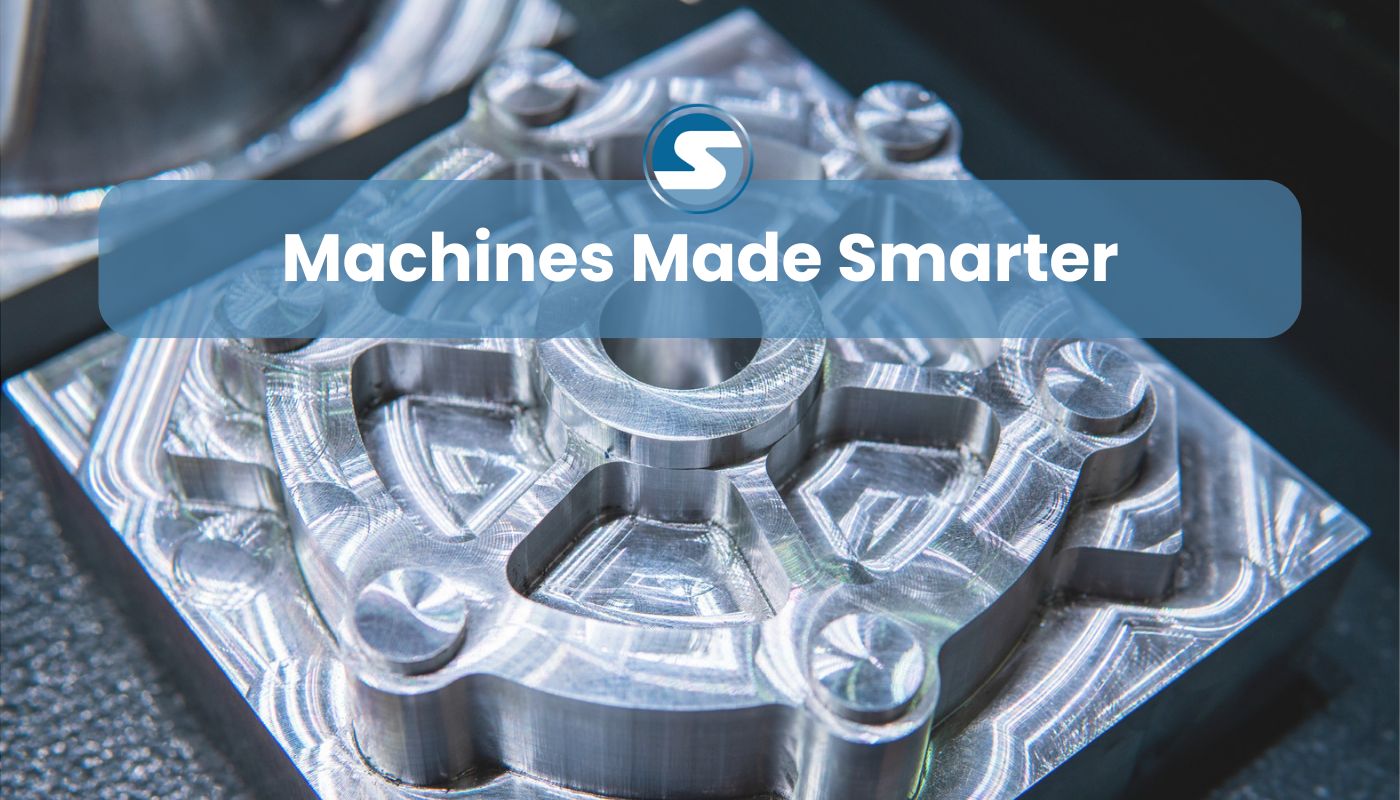
In Sunderland, precision engineering services cover a broad spectrum of areas, including product design, CNC machining, metal fabrication, and assembly. The local firms are committed to delivering superior engineering solutions tailored to clients’ specifications. They leverage advanced technology and skilled labour to produce components with high dimensional accuracy, ensuring seamless integration into larger systems.
The provision of comprehensive services is another key feature of Sunderland’s precision engineering. From initial consultation and design to the final product, local firms provide end-to-end solutions, reducing the need for clients to coordinate with multiple service providers. This streamlined process not only enhances efficiency but also ensures consistency in quality.
One of the significant benefits of Sunderland’s precision engineering services is the flexibility offered to clients. Whether it’s a one-off prototype or a large-scale production run, local firms have the capability to handle diverse customer requirements. They can quickly adapt to changes in client specifications or market demand, thus ensuring timely delivery without compromising on quality.
Advancements in Sunderland’s Precision Engineering Sector
The precision engineering sector in Sunderland is not one to rest on its laurels. It is continuously advancing, incorporating the latest technology and industry practices to stay ahead of the curve. For instance, the sector has enthusiastically adopted digital technologies like 3D modelling and simulation to improve product design and manufacturing processes.
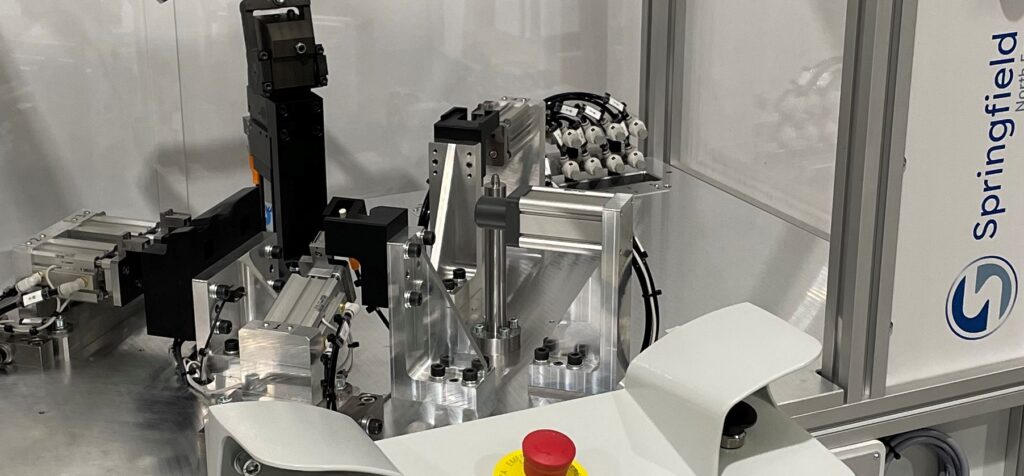
Additionally, Sunderland’s precision engineering sector is harnessing the power of Industry 4.0. This includes implementing smart manufacturing systems, Internet of Things (IoT) devices, and automation. These advancements not only increase production efficiency but also enhance product quality by reducing errors and inconsistencies.
Moreover, the industry is focusing on sustainable engineering practices. This involves using environmentally-friendly materials and processes, as well as designing products that are energy-efficient. Such practices not only contribute to environmental conservation but also meet the growing demand for ‘green’ products in the global market.
Breaking Down Our Precision Engineering Processes
The precision engineering process in Sunderland begins with a meticulous understanding of the client’s needs. This involves detailed discussions to clarify the product requirements, intended application, and production timelines. Following this, engineers develop a conceptual design using 3D modelling software, allowing clients to visualise the final product and make any necessary changes.
The next stage is prototyping, where a physical model of the product is created. This prototype is thoroughly tested to ensure it meets the design specifications and performs as expected. Any issues identified during testing are addressed in the design before moving to the production phase.
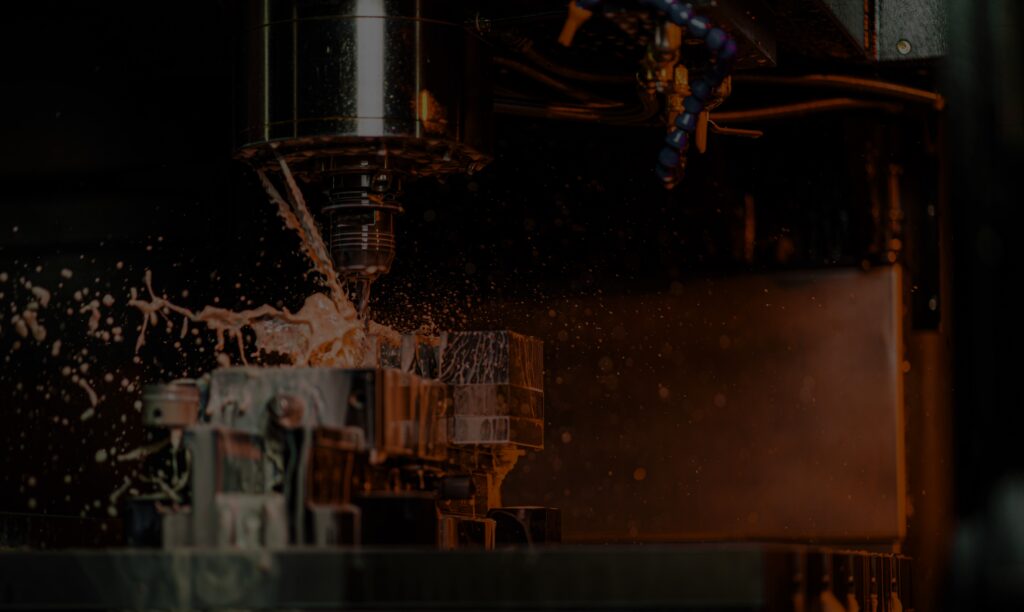
The production phase involves manufacturing the final product using sophisticated equipment like CNC machines. Strict quality control measures are implemented at each stage of production to ensure the highest level of precision. The final product is then subjected to rigorous testing before being delivered to the client.
Unveiling Our Top-Notch Precision Engineering Techniques
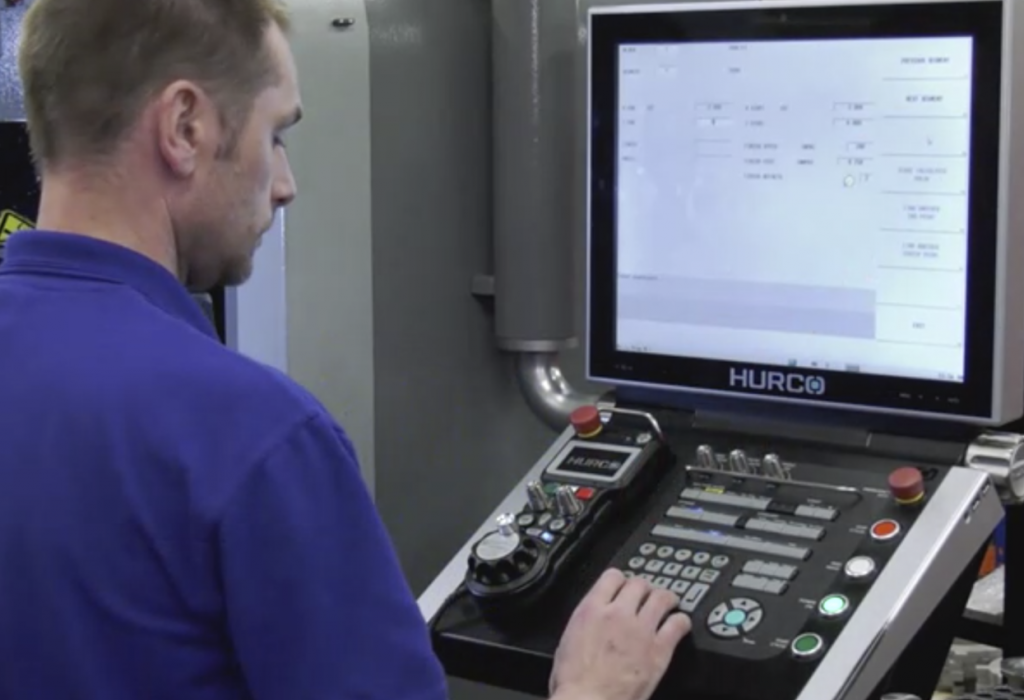
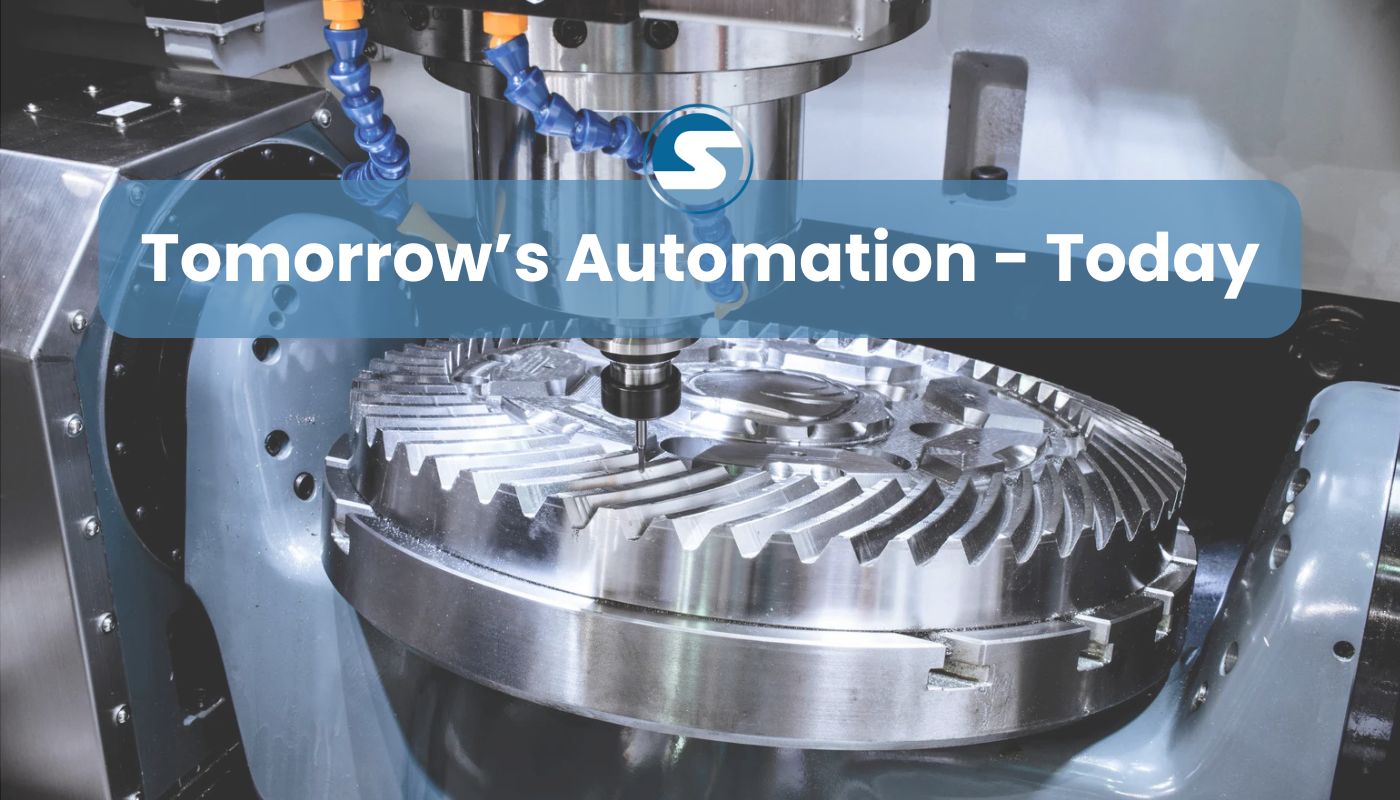
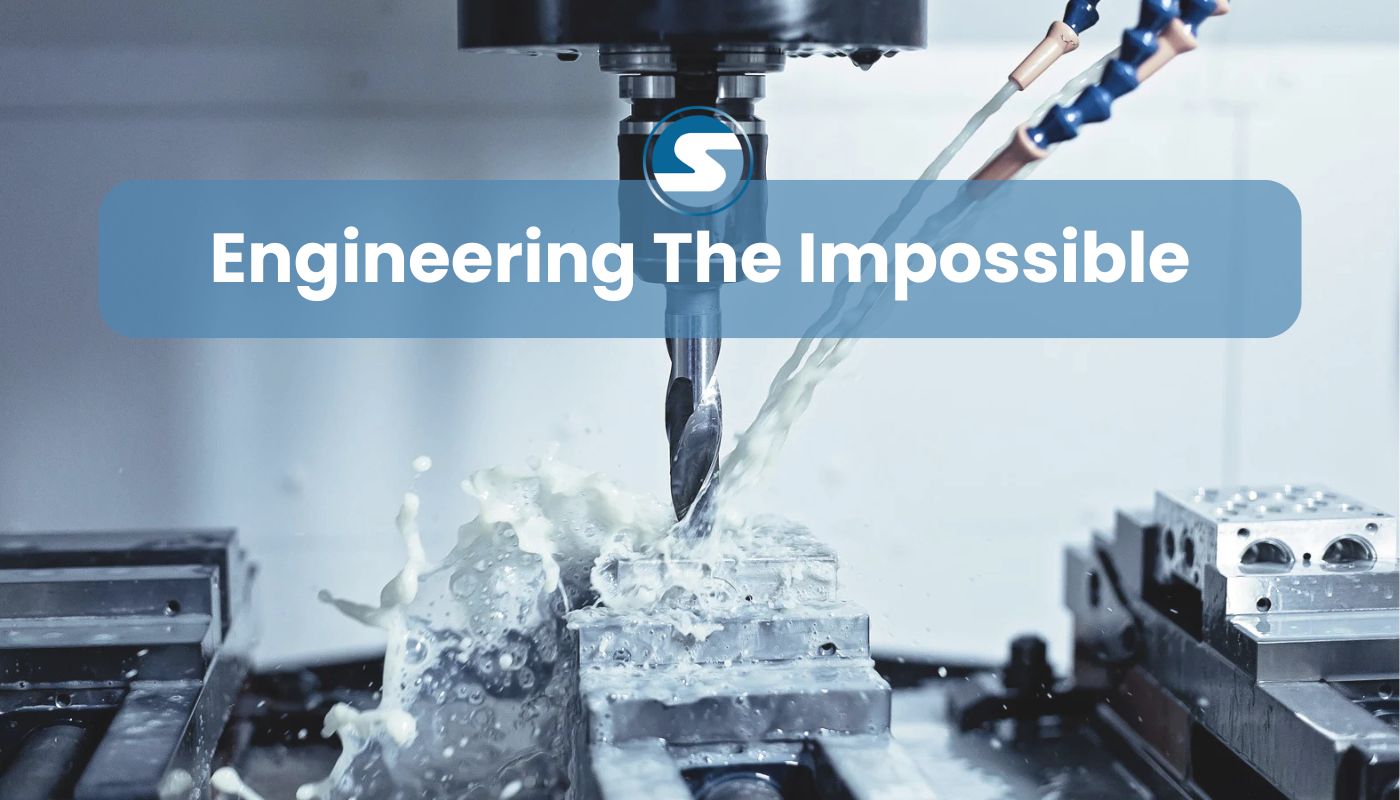
Precision engineering in Sunderland employs a variety of top-notch techniques to produce high-quality products. These include CNC machining, which involves using computers to control machine tools, ensuring precise and consistent results. Other techniques include laser cutting, which allows for highly accurate cutting of various materials, and metal fabrication, which involves bending, cutting, and assembling metal parts.
Advanced software is used for product design, enabling engineers to create complex geometries and assemble parts digitally. This not only improves design accuracy but also reduces the time required for prototyping and production. Furthermore, automated inspection systems are used to detect manufacturing defects and ensure product quality.
These techniques not only enhance product quality but also increase production efficiency. By reducing the time and resources required for production, they help clients achieve cost savings and faster time-to-market.
Maintaining Quality: Our Approach to Precision Engineering
Quality is at the heart of precision engineering in Sunderland. To ensure this, local firms adopt a systematic approach that involves stringent quality control measures at each stage of the production process. This includes regular equipment calibration, in-process inspections, and final product testing.
In addition to these measures, firms invest in continuous training of their workforce. This ensures that engineers are not only technically competent but also well-versed in quality management principles. They are trained to identify potential issues and take corrective action, thus preventing defects from occurring.
Furthermore, many firms in Sunderland hold internationally recognised quality certifications, such as ISO 9001. This provides assurance to clients that the products they receive meet the highest quality standards and are reliable in their performance.
Looking Ahead: The Future of Precision Engineering in Sunderland
Looking ahead, the future of precision engineering in Sunderland looks promising. The sector is expected to continue growing, driven by investments in technology and infrastructure. Local firms are set to further expand their capabilities, offering a wider range of services to cater to the evolving needs of clients.
The industry is also likely to see increased collaboration with academic institutions for research and development. This will lead to the development of innovative engineering solutions, further improving the quality and efficiency of services. It is also expected that the sector will continue to focus on sustainable practices, aligning with the global trend towards environmentally friendly manufacturing.
In conclusion, Sunderland’s precision engineering sector is poised for continued success. By maintaining a commitment to quality and innovation, the sector is set to strengthen Sunderland’s position as a leader in precision engineering.